Reviewing the Halloween 3D Layered Papercut SVG for Stitchers
As a designer who spends half my life staring at digitized files and the other half watching needles punch through fabric, I approach every new machine embroidery design with a healthy dose of skepticism. We have all seen those gorgeous digital previews that look flawless on a screen but turn into a tangled mess of thread breaks and puckering once they hit the hoop. When I first opened the Halloween 3D Layered Papercut SVG, my initial reaction was not just about the spooky aesthetic, but about the structural integrity of the layers. This is not your typical flat graphic; it is a complex composition meant to mimic depth, which presents unique challenges and opportunities for us in the embroidery world.
The Visual Impact and Design Personality
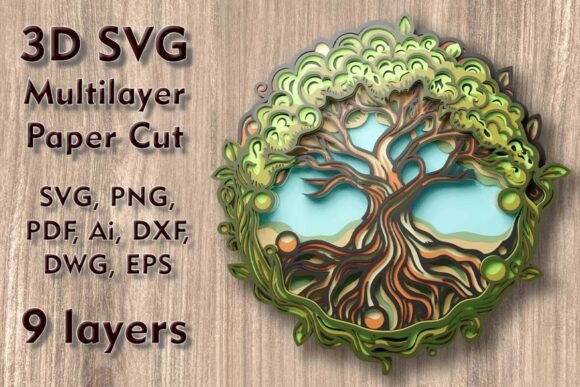
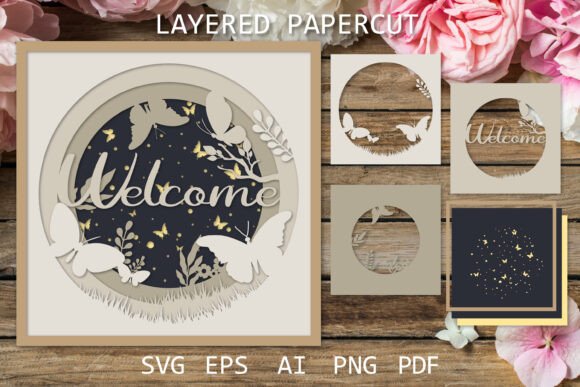
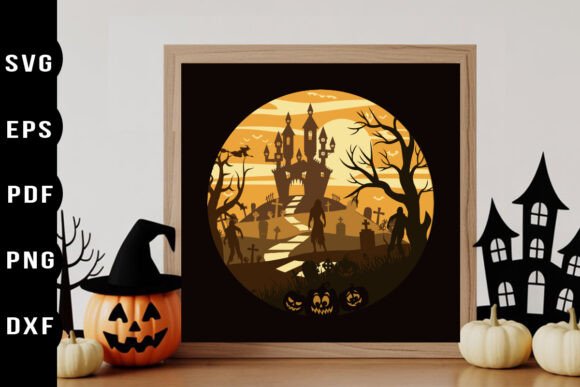
The first thing that strikes you about this embroidery file is its mood. It captures that whimsical yet eerie vibe perfect for October, without leaning into gore or overly dark themes that might limit its commercial appeal. The layered effect creates a sense of dimensionality that is rare in standard digitizing. For an Etsy seller or craft business owner, this visual depth is a major selling point. It suggests high effort and artistic value, which allows you to price your handmade product higher than a simple monogram or basic icon.
However, we must address the elephant in the room: this is marketed as a 3D SVG for paper crafts and Shadow Boxes. As embroiderers, we do not cut paper; we stitch thread. Therefore, the "layers" here must be interpreted as color blocks or distinct stitch areas. The design relies on clear separation between elements to create the illusion of depth. In a real-world embroidery project, this means you need excellent contrast between your thread colors. If you choose shades that are too similar, the intricate layering will vanish, and the design will look muddy.
Real-World Application: The Custom Tote Bag Test
To truly evaluate this design, I imagined applying it to a popular small shop product: a heavy-duty canvas tote bag. Canvas is forgiving, but it has a distinct fabric texture that can interfere with fine details. I visualized placing the central motif of the Halloween 3D Layered Papercut SVG on the front panel. The result? It works beautifully, provided you respect the scale.
For a tote, a hoop size of at least 5x7 inches is ideal. This allows the layers to breathe. If you try to shrink this down to a 4x4 hoop for a small embroidered patch, you risk losing the definition of the inner layers. The stitch density appears moderate in the preview, but in practice, layered designs often require careful balancing. Too dense, and the canvas will pucker; too light, and the backing will show through. I recommend using a medium-weight cut-away stabilizer to support the multiple color changes and ensure the finished product remains crisp after washing.
Apparel and Wearable Considerations
Moving beyond accessories, let us talk about custom apparel. Imagine this design on a black fleece sweatshirt. The contrast would be stunning if you use bright oranges, purples, and greens. However, fleece is tricky. It is stretchy and has a pile that can swallow small stitches. Before committing to a client order, you must test the design on scrap fabric identical to your final garment.
If you are considering baby embroidery or items for sensitive skin, be cautious. Layered designs often involve many jump stitches or dense fill areas on the back. Always check the reverse side of your test stitch-out. If the back is messy, consider using an applique design technique where possible, or ensure you are using a soft, tear-away stabilizer that removes cleanly. For sweatshirt embroidery, a satin stitch border around the main elements can help define the edges against the fuzzy fabric, preventing the design from looking lost.
Navigating Technical Challenges
There are specific scenarios where you should use this design carefully. First, avoid using it on very thin or stretchy fabrics like jersey knits without substantial stabilization. The weight of the thread in a multi-layered design can cause distortion. Second, be mindful of curved surfaces like caps. While a cap front panel can handle some complexity, the rigid structure of a hat might not accommodate the full width of this design unless it is scaled down significantly, which again risks losing detail.
Another critical factor is the stitch type distribution. Does the file use primarily fill stitch for the layers, or does it incorporate running stitch outlines? Fill stitches provide coverage but add bulk. Running stitches are subtle but may not stand out enough on textured materials. You need to inspect the file in your embroidery software to understand the stitch path. Look for excessive travel stitches that could cause thread nests, especially in the intricate corners of the papercut style.
Commercial Viability and Brand Consistency
For digital product sellers and commercial embroidery professionals, consistency is key. This design fits well into a broader Halloween collection. It pairs nicely with simpler motifs, allowing you to create bundled offerings. When creating printable mockup images for your online store, remember to showcase the design on various backgrounds. A digital embroidery file looks different on white linen versus dark denim. Showing this versatility builds customer trust.
Furthermore, consider the personalized gift market. While this design is a standalone graphic, it leaves room for customization. You could add a name below the main motif using a complementary font. This transforms a standard holiday item into a cherished keepsake. However, ensure that any added text does not clutter the composition. The strength of the Halloween 3D Layered Papercut SVG lies in its balanced layout; do not disrupt that harmony.
Final Designer Notes
Before you load this into your machine, take these practical steps. First, verify the license terms. Just because a file is labeled as an SVG for paper crafts does not automatically grant you rights for commercial embroidery sales. Confirm whether the creator allows for design assets to be used in physical goods for sale. Second, run a test stitch on both light and dark fabrics to determine the best thread palette. High-contrast combinations will yield the most professional look.
Finally, remember that technology is only as good as the operator. Adjust your tension, use fresh needles, and select the right stabilizer. The Halloween 3D Layered Papercut SVG has the potential to be a standout piece in your autumn catalog, but only if treated with the technical respect it deserves. By understanding its structure and limitations, you can transform a digital concept into a tangible, high-quality holiday embroidery masterpiece that customers will love.