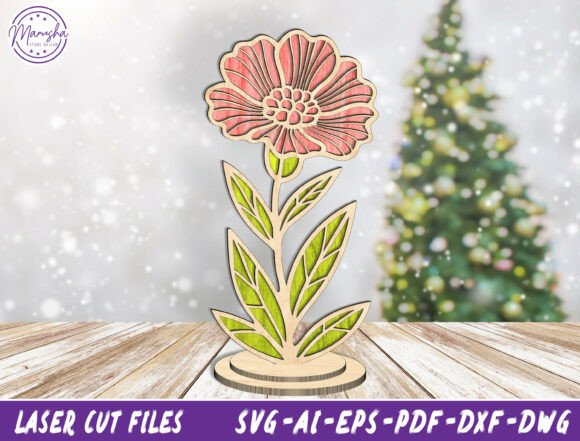
Zinnia Laser Cutting Ornament Design
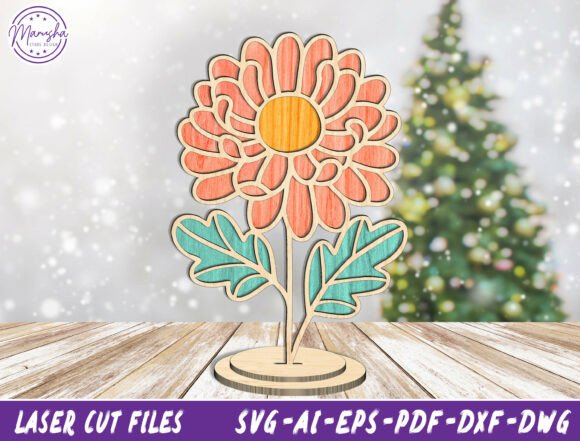
As a brand designer who has spent the last decade helping local businesses transition from hobbyist operations to professional retail entities, I am constantly evaluating graphic design assets for their practical utility. It is not enough for an image to be pretty; it must serve a strategic function in small business branding. Recently, I reviewed the Zinnia Flower 3D Layered Laser Cut File for a client project involving a boutique skincare line that wanted to elevate its unboxing experience. My initial impression was one of delicate sophistication. The layered structure suggests depth and craftsmanship, moving away from flat, generic clipart toward something that feels tangible and handmade.
Defining Brand Personality Through Floral Motifs
The mood this asset creates is distinctly organic yet refined. It does not scream loud or playful; rather, it whispers elegance and attention to detail. For a local business such as a high-end bakery, a floral shop, or an artisanal candle maker, this design signals a premium, feminine, and natural brand personality. When I placed the Zinnia motif against a matte kraft background, it immediately elevated the perceived value of the packaging. This is crucial for product sellers who compete on shelf appeal. The intricate layers of the zinnia petals provide a visual texture that draws the eye, creating a stronger emotional connection with the customer before they even touch the product.
Strategic Applications in Packaging and Identity
In terms of real-world application, this file is versatile. For the skincare client, we utilized the design as a central element in their packaging design. Specifically, it worked beautifully as a die-cut window overlay on their box lids, allowing the product color to show through the floral layers. Beyond physical packaging, this asset serves as a powerful tool for logo design accents or secondary brand marks. It can be scaled down for product label borders or enlarged for hero graphics on website banners.
I also tested its viability for social media graphics. By animating the layers slightly in post-production, we created engaging content for Instagram stories that highlighted the "handmade" aspect of the brand. For marketing visuals, such as flyers and posters, the zinnia provides a decorative frame that organizes text without overwhelming it. It is an excellent choice for thank-you cards included in shipments, reinforcing the brand’s gratitude and care. Whether used in editorial design for lookbooks or as a watermark on digital invoices, the asset maintains its integrity and charm.
Enhancing Visual Hierarchy and Customer Trust
One of the most significant benefits of using a high-quality design asset like this is the improvement of visual hierarchy. In crowded marketplaces, customers scan quickly. A distinct, well-structured floral element guides the eye to the product name or key benefit. This clarity builds trust. When a handmade business presents polished, cohesive visuals, it reduces the perceived risk for the buyer. The Zinnia file supports professional branding by ensuring that decorative elements do not look amateurish or pixelated. It offers a consistent visual language that can be applied across hang tags, stickers, and menu graphics, creating a unified brand experience.
Where to Use It and Where to Exercise Caution
This asset shines brightest in contexts that celebrate nature and craft. It is ideal for seasonal packaging, boutique visuals, and promotional banners for spring or summer campaigns. However, designers must use it carefully. It is not suitable for formal corporate branding where minimalism and stark geometry are preferred. Avoid using it on very small labels where the intricate layers might merge into a blur, losing definition. Furthermore, do not place it behind dense text or in areas with low contrast, as the detailed cuts may compete with important information such as ingredients or legal disclaimers. For luxury minimalist brands, ensure the usage is sparse and intentional, perhaps as a subtle embossed detail rather than a full-color print.
Practical Notes for Designers and Makers
Before integrating this into a client’s brand identity, I recommend several technical checks. First, test the file on real product mockup templates to gauge scale. Check how it renders in black and white, as many laser cutting machines operate on simple vector paths. If you are using it for print, verify the PNG transparency edges to ensure no halos appear around the petals. For those using it in Canva template workflows, ensure the SVG or vector version is editable so colors can be matched precisely to brand guidelines.
Compare the zinnia style with competitor packaging to ensure differentiation. Does it blend in too much, or does it stand out? Test it alongside various typography styles. I found it pairs exceptionally well with elegant serif fonts for a classic look, but also holds its own against clean sans serif fonts for a modern twist. Avoid pairing it with overly chaotic handwritten fonts, as this can create visual clutter. Finally, always confirm the commercial license terms. Since this is a digital product intended for commercial design, ensure your usage rights cover physical product sales and client work. This due diligence protects both the designer and the creative marketplace integrity.
In conclusion, the Zinnia Flower 3D Layered Laser Cut File is more than just a decorative illustration; it is a strategic tool for enhancing small business branding. When used thoughtfully, it adds a layer of perceived value and artistic merit that resonates with customers seeking authentic, high-quality goods. Whether for Ornaments, packaging accents, or digital clipart, it offers a blend of natural beauty and structural precision that modern brands crave.