Street 3D SVG for Shadow Boxes
As a brand designer and content marketer, I am constantly evaluating new graphic design assets that can elevate a client’s visual presence without adding unnecessary complexity to the workflow. Recently, I integrated the Street 3D SVG Multilayer Cut Files into a comprehensive branding project for a boutique lifestyle shop launching a seasonal home decor collection. The goal was to create tangible, high-impact visuals that bridged the gap between digital marketing and physical product appeal. This review explores how this specific asset performs in real-world marketing scenarios, from social media graphics to physical packaging.
First Impressions and Emotional Tone
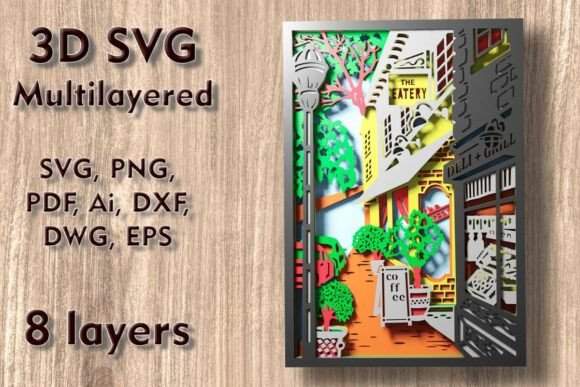
The initial impression of the Street 3D SVG Multilayer Cut Files is one of structured depth and urban sophistication. Unlike flat illustrations, this SVG design offers eight distinct layers that create a convincing sense of perspective and shadow. For a brand aiming to convey modernity, craftsmanship, or architectural interest, this mood is invaluable. It does not feel overly casual; rather, it strikes a balance between artistic expression and professional precision.
In terms of audience perception, this type of illustration suggests attention to detail. When used in marketing visuals, it signals that the brand values quality and texture. It works exceptionally well for handmade products, lifestyle content, and event promotions where the emotional tone needs to be inviting yet polished. It avoids the clutter often associated with complex designs, maintaining a clean aesthetic that supports rather than overwhelms the core message.
Strategic Applications in Brand Identity
Integrating this asset into a broader brand identity requires understanding its versatility. During the campaign, we utilized the file for more than just physical cuts. Here is how it performed across various channels:
- Social Media Graphics: We used rendered versions of the layers for Instagram posts and Pinterest pins. The depth created by the multiple layers stopped the scroll, offering a tactile feel even on digital screens.
- Packaging Design: The file was scaled up for box inserts and thank-you cards. The intricate details added a premium touch to the unboxing experience, reinforcing audience trust through perceived value.
- Digital Ads: For Facebook and Instagram ads, we animated the layers slightly to create a parallax effect. This dynamic approach improved engagement rates significantly compared to static images.
- Editorial Design: In blog headers and email banners, the silhouette provided a strong visual anchor without competing with the text, ensuring clear visual hierarchy.
This digital product proves that a single design bundle can serve multiple purposes, from logo design accents to full-scale packaging design elements. It supports content marketing efforts by providing a consistent visual thread that ties together disparate platforms.
Technical Specifications and Workflow Integration
From a technical standpoint, the file specifications are crucial for successful implementation. The design comes with eight layers, which is ideal for creating rich Shadow Boxes. The base size is approximately 295 x 205 mm (11.6 x 8.1 inches). In our testing, we found that increasing the size for larger posters or signage maintained integrity perfectly. However, designers must be cautious when reducing the design. The thin elements, which contribute to the delicate street scene aesthetic, can become fragile or disappear if scaled down too aggressively.
For those using this for laser cutting or CNC projects, material selection is key. Cardstock, acrylic, and wood veneers all interact differently with the layers. We tested black cardstock for a high-contrast look and pastel tones for a softer, more approachable vibe. Both worked well, but the contrast helped define the 3D SVG depth more effectively. This flexibility makes it a robust choice for small business branding where resourcefulness is essential.
Where This Asset Shines
The Street 3D SVG Multilayer Cut Files excels in contexts that benefit from decorative depth. It is particularly effective for:
- Hero Graphics: Use it as a background element in website headers to add interest without distracting from the call-to-action.
- Product Launch Visuals: Frame new products within the layers to create a sense of unveiling or discovery.
- Branded Templates: Incorporate it into Canva templates for clients who want a unique, non-generic look for their social media graphics.
- Event Flyers and Posters: The urban theme fits perfectly with community events, art shows, or modern retail promotions.
By using this creative design element, brands can achieve a professional branding look that stands out in a saturated creative marketplace. It helps create memorable campaign visuals that resonate with audiences looking for authenticity and craft.
Limitations and Careful Usage
While versatile, this asset is not suitable for every context. It should be used carefully in formal corporate branding where minimalism and strict clarity are paramount. In dense information layouts or text-heavy ads, the intricate layers can compete with the main message, causing visual noise. Additionally, on small mobile graphics, the finer details may lose definition if not optimized correctly.
Avoid using it on low-contrast backgrounds where the layers might blend together, losing the 3D effect. For overly minimal brands, this level of detail might feel out of place. Always ensure that the asset supports the narrative rather than dominating it.
Practical Designer Notes for Implementation
Before deploying this graphic design asset in a live campaign, consider these practical steps:
- Test Color Palettes: Ensure the layers harmonize with your existing brand colors. Try monochromatic schemes for elegance or contrasting colors for vibrancy.
- Check Black and White Usage: Verify that the design holds up in grayscale for print materials or cost-effective promotional items.
- Mockup Integration: Place the design inside real campaign mockups to gauge scale and impact. Preview it on mobile screens to ensure readability.
- Font Pairing: Experiment with pairing the street scene with serif fonts for a classic feel, sans serif for modernity, or script fonts for a handmade touch. Avoid display fonts that are too ornate, as they may clash with the detailed illustration.
- Licensing Verification: Always confirm the commercial license terms before using the asset in paid campaigns, client work, or for resale in printable design products.
In conclusion, the Street 3D SVG Multilayer Cut Files is a powerful tool for designers and marketers looking to add depth and character to their visuals. Whether used for physical Shadow Boxes or digital web design, it offers a unique blend of artistic flair and functional utility. By understanding its strengths and limitations, creative entrepreneurs can leverage this asset to build stronger brand recognition and foster deeper emotional connections with their audience.