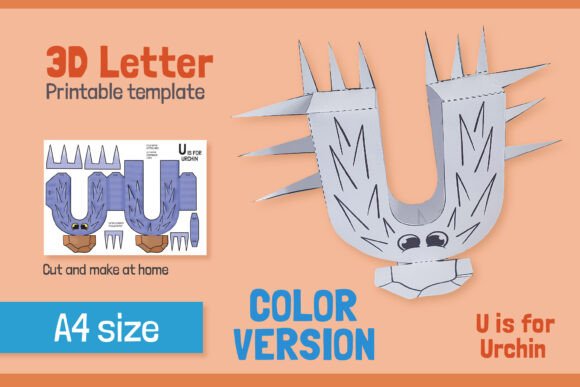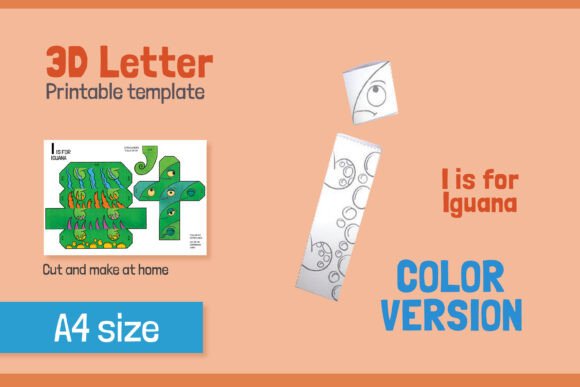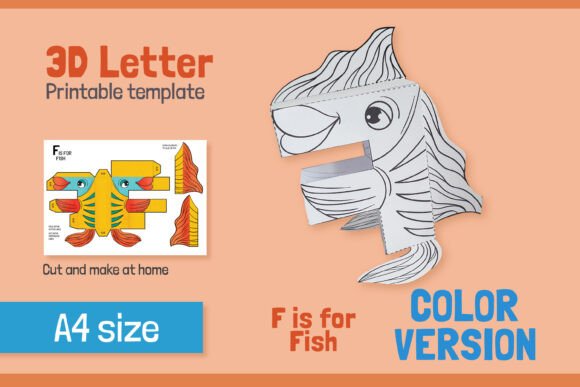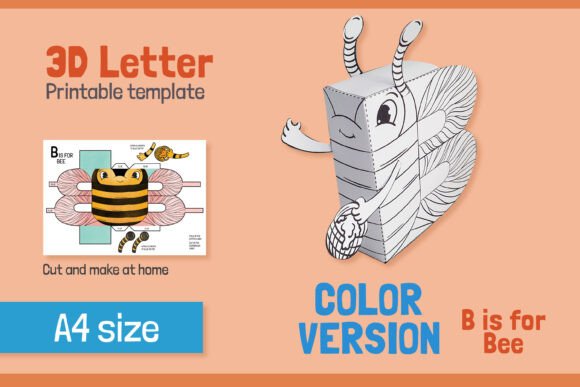
Reviewing Letter D 3D Papercraft for Kids
As an embroidery designer who has spent years digitizing files and testing them on everything from stiff denim to slippery satin, I approach every new machine embroidery design with a mix of curiosity and caution. We often see trends come and go, but the demand for educational and playful motifs remains steady. Recently, I evaluated Letter D 3D Papercraft for Kids – COLOR, not just as a digital asset, but as a potential centerpiece for real-world embroidery projects. While the source material describes a vibrant papercraft model for classroom learning, translating that aesthetic into thread requires a keen eye for detail and structure.
First Impressions and Visual Personality
The immediate appeal of this design lies in its bold, geometric personality. The concept of a "3D" look in embroidery is challenging because thread is inherently two-dimensional, yet skilled digitizing can create the illusion of depth through shading and layering. This particular piece, categorized under Shapes, leans into a blocky, constructed feel that mimics folded paper. For a designer, this suggests a heavy reliance on fill stitch work to create solid, vibrant areas of color, likely supported by clean satin stitch borders to define the edges.
The mood is undeniably cheerful and educational. It feels appropriate for a nursery, a kindergarten classroom, or a child’s bedroom. However, from a production standpoint, I immediately considered how this would translate to fabric. The "COLOR" aspect implies a multi-hued palette, which is fantastic for visual pop but requires careful management of thread colors to avoid a muddy appearance if the stitch density is too high.
Real-World Application: The Custom Tote Scenario
To truly test the viability of Letter D 3D Papercraft for Kids – COLOR, I imagined a specific client request: a custom tote bag design for a local preschool’s fundraising sale. The goal was to create a durable, attractive item that parents would actually use. In this scenario, the design needs to be large enough to be legible but structured enough to withstand the tension of canvas fabric.
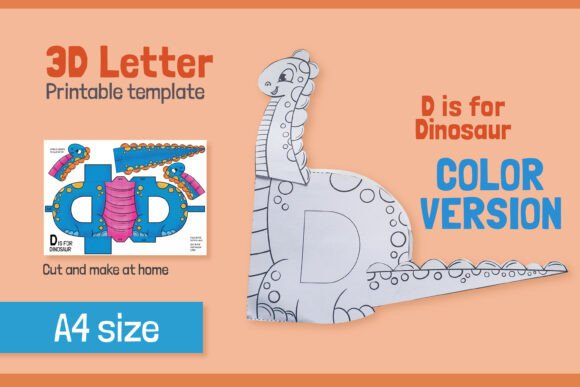
When I visualize this design stitched onto a natural cotton canvas tote, the geometric shapes provide a sturdy foundation. Unlike intricate floral patterns that can get lost in the weave of a coarse fabric, the bold lines of this letter design hold their shape well. It would serve as an excellent handmade product anchor, perhaps paired with a simple monogram or a small dinosaur motif to reinforce the "D for Dinosaur" theme mentioned in the description. The result would be a professional-looking finished product that communicates quality and thoughtfulness.
Apparel and Soft Goods Considerations
Beyond totes, this design has strong potential for sweatshirt embroidery and baby embroidery projects. On a fleece hoodie, the dense fill stitches would sit nicely on the surface, creating a tactile, raised effect that children love to touch. However, for custom apparel made from thinner materials like jersey knits, caution is required. The weight of the stitching could cause puckering if the wrong stabilizer is used. I would recommend a cut-away stabilizer for any stretchy fabrics to ensure the design remains flat and does not distort the garment after washing.
For holiday embroidery gifts, such as personalized stockings or pillow covers, the bright color palette fits well with festive themes. It adds a modern, graphic touch compared to traditional cursive scripts. As an Etsy seller or small shop owner, offering this as part of a full alphabet set could significantly boost average order value, allowing customers to buy multiple letters for nursery decor.
Technical Challenges and Fabric Compatibility
While the design is visually striking, it is not without its technical demands. The "3D" effect relies on precise alignment of color blocks. If the hoop size is too small or the fabric shifts during stitching, the illusion of depth breaks down, leaving a disjointed image. This is particularly critical when working with textured fabrics like terry cloth or waffle knit, where the needle penetration can be inconsistent.
I also considered the issue of stitch density. Designs that mimic 3D objects often require dense stitching to achieve solid coverage. On dark fabrics, this is less of an issue, but on light or thin fabrics, the backing might show through if the density is too low, or the fabric might tear if it is too high. It is essential to check the specific settings of the digital embroidery file before running a full production batch. A test run on scrap fabric of the same type is non-negotiable.
Navigating Small Details and Curves
One area where this design might face challenges is in smaller applications, such as an embroidered patch or a cap front. The geometric angles are sharp, and machine needles have a physical limit to how tightly they can turn. If the design includes tiny corners or intricate internal details, they may become blobby or indistinct at smaller sizes. For caps and hats, the curved surface adds another layer of complexity. The design must be digitized with pull compensation in mind to prevent distortion on the rounded crown.
Commercial Value and Brand Consistency
For craft business owners, the versatility of Letter D 3D Papercraft for Kids – COLOR is a major asset. It bridges the gap between educational tools and decorative art. Using this design in your portfolio signals that you can handle bold, modern aesthetics, not just traditional florals. It enhances brand consistency if your shop focuses on playful, colorful items.
Moreover, the visual clarity of the design aids in marketing. When creating printable mockup images for your online store, the distinct shapes photograph well and stand out in thumbnail views. This increases buyer engagement and trust, as customers can clearly see what they are purchasing. Whether you are selling the design assets themselves or the personalized gift items made from them, the professional finish of the stitch work directly impacts perceived value.
Final Designer Notes
Before committing to a large project with this design, there are several practical steps to take. First, verify the file format compatibility with your machine. Since the product is described as a 3D SVG, ensure you have the correct embroidery conversion or native file format (such as PES, DST, or JEF) for your specific hardware. Second, review the license terms. If you plan to sell finished items, confirm that the license allows for commercial use of the applique design or standard embroidery file.
- Test on scrap fabric first to check for puckering or thread breaks.
- Use a high-quality stabilizer appropriate for your fabric weight.
- Check thread color contrast; ensure adjacent colors do not blend together.
- Inspect small details for clarity, especially if resizing the design.
- Confirm hoop size requirements to avoid re-hooping mid-design.
In conclusion, Letter D 3D Papercraft for Kids – COLOR is a promising addition to a designer’s library. It offers a fresh, geometric take on alphabet designs that works well for educational and decorative purposes. With careful attention to fabric choice, stabilization, and stitch density, it can elevate a simple small shop product into a standout piece. It is a reminder that even in the digital age, the tactile quality of well-executed embroidery remains a powerful tool for connection and creativity.