Cat 3D SVG Shapes for Layered Design
As a graphic designer who has spent years refining brand identities and preparing files for production, I approach every new graphic design asset with a critical eye. It is not just about whether an illustration looks cute; it is about whether it holds up under the scrutiny of commercial printing, digital scaling, and strict brand guidelines. Recently, I evaluated the Cat 3D SVG Multilayer Cutting Files for a potential client project involving a boutique pet supply brand. My goal was to determine if this asset could serve as a cornerstone for their small business branding and product line.
First Impressions and Visual Mood
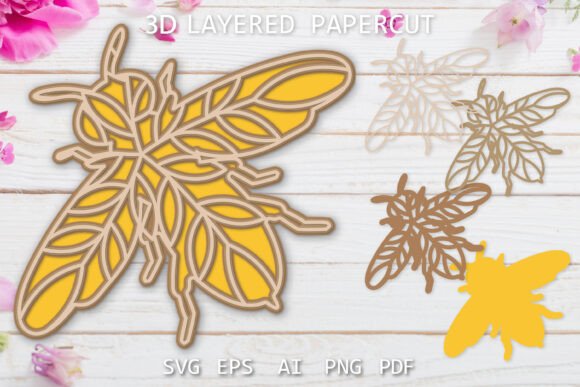
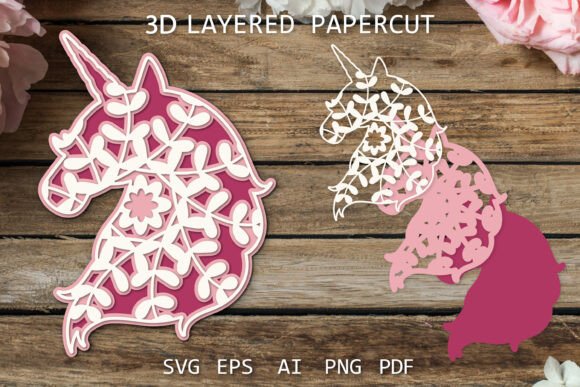
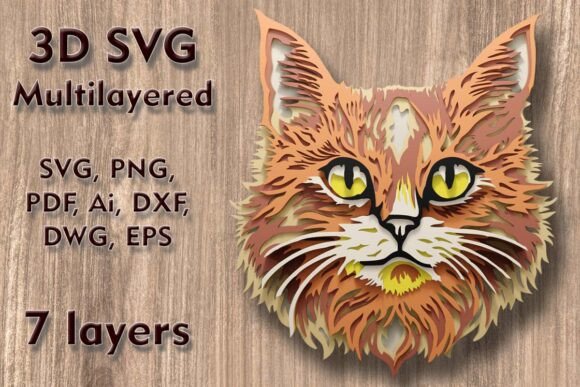
The immediate appeal of this SVG design lies in its depth. Unlike flat clipart or simple silhouettes, this file offers a constructed, dimensional aesthetic that mimics paper craft or laser-cut wood. The visual mood is warm, tactile, and inviting, which aligns perfectly with the current trend toward handmade authenticity in the creative marketplace. For a client targeting pet owners who value artisanal quality, this illustration communicates care and craftsmanship before a single word of copy is read.
The structure relies on eleven distinct layers to create shadow and form. This complexity is a double-edged sword. It provides rich visual interest for marketing visuals and product mockups, but it demands respect during the design process. You cannot simply drop this into a chaotic layout and expect it to shine. It requires breathing room.
Performance in Real Client Projects
In my review, I tested how this digital product performs across various mediums. For packaging design, such as box tops or hang tags, the multilayer effect adds a premium feel. When used as a sticker design on matte vinyl, the separation between layers creates a subtle embossed look that elevates the perceived value of the product. It works exceptionally well for Etsy product listings where visual texture can differentiate a brand from mass-produced competitors.
However, its application in logo design requires caution. While it could serve as a charming mascot for a playful brand, the eleven layers make it unsuitable for small-scale applications like favicon icons or embroidered caps. For t-shirt design, I would recommend simplifying the layer count or using it only for large chest prints where the detail remains visible. In contrast, for printable design projects like wall art or greeting cards, the full complexity is an asset, allowing for intricate color blocking and shadow play.
Strategic Placement and Visual Hierarchy
Understanding where to place this design bundle is crucial for maintaining visual hierarchy. It works best as a hero graphic in spacious layouts. Think of it as the centerpiece for a seasonal campaign visual or a decorative accent on a minimalist invitation. When paired with clean sans serif font or elegant script font choices, the cat shape anchors the composition without competing for attention.
Conversely, this asset should be used carefully in crowded environments. Placing it over busy patterns or low-contrast backgrounds diminishes its impact. The thin elements that define the whiskers and facial features can get lost if the background noise is too high. For social media graphics or Pinterest pins, ensure there is ample negative space around the subject. This allows the eye to travel through the layers, appreciating the depth rather than seeing a muddy cluster of shapes.
Technical Considerations for Designers
From a technical standpoint, the file specifications are robust but require mindful handling. The default dimensions are substantial, measuring 250 mm in height and 260 mm in width. This scale is ideal for Cricut project workflows and large format prints. One of the strengths of this 3D SVG is that the size is easily increased without loss of quality, thanks to its vector nature. However, designers must be careful when reducing the design. As you scale down, the thin elements risk becoming too fragile for cutting machines or disappearing entirely in digital compression.
Before committing to a client deliverable, I always run a series of tests. First, I view the Shapes in black and white to ensure the silhouette remains recognizable without color cues. Next, I check contrast on both light and dark backgrounds to verify visibility. If the asset includes PNG design options, I inspect the transparency edges for halos or jagged pixels. For those using this in Canva template creations, ensure the SVG uploads correctly and that layers remain editable if adjustments are needed.
Brand Consistency and Emotional Appeal
Integrating this creative design into a broader brand identity involves more than just placement. It affects emotional appeal and audience engagement. The layered cat evokes a sense of whimsy and warmth, which can humanize a brand. For a handmade business, this aligns with values of creativity and personal touch. However, for professional corporate materials, this style might feel too informal. It is essential to match the asset’s personality with the brand’s voice.
When used in editorial design or blog visuals, it can break up text-heavy sections and add visual relief. In web design, it can serve as an engaging element in hero sections, provided the file size is optimized for fast loading. The key is consistency. If you use this multilayer style in one area, consider echoing similar depth effects in other design assets to maintain a cohesive look.
Final Verdict for Commercial Use
After thorough evaluation, I find the Cat 3D SVG Multilayer Cutting Files to be a valuable addition to a designer’s toolkit, particularly for projects centered around sublimation design, print-on-demand, and physical crafts. It is not a universal solution for every commercial design need, but for the right niche, it offers high versatility and aesthetic appeal.
Designers should confirm the commercial license terms before using it for client work, ensuring that the usage rights cover the intended scope, whether for digital sales or physical goods. With proper attention to scale, contrast, and layout balance, this asset can significantly enhance the professionalism and charm of a project. It transforms a simple image into a tactile experience, bridging the gap between digital precision and handmade warmth. For brands looking to stand out in a saturated market, this level of detailed, layered artistry provides the polished finish that customers increasingly seek.